Fix it or let it go?
A repair estimate and a tired car: a rule of thumb helps, but your own numbers decide.
The rule of thumb, and its blind spot
The “3,000 rule” goes around because it’s easy to remember: when a repair heads toward three thousand dollars, stop and think. It has a blind spot, though. A large bill on a car with plenty of life left can be money well spent, and a small bill on a car that is failing in three places at once can be money thrown away. Use the rule as a prompt, not a verdict.
Four questions that do the real work
- What is the car worth right now, as it sits? Not what you paid and not what the listing sites say for a clean one. Get a real offer for it in its present state.
- Does this repair end the trouble, or just this chapter? Rust underneath, a slipping transmission or an engine burning oil all point to another bill soon.
- Will it pass the next emissions test after the fix? In Lake County, a car that passes this year faces the test again two years later. See the even-year, odd-year schedule.
- What does keeping it cost while you decide? A car that can’t legally be driven still takes up the driveway, and its insurance may keep running.
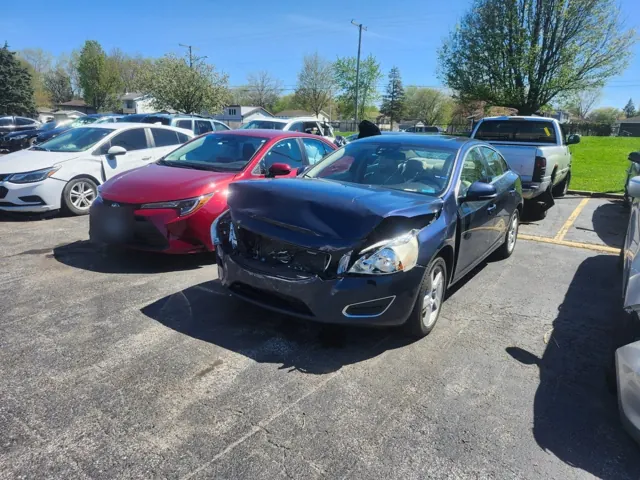
When the numbers say stop
If the estimate is bigger than the car’s value, or the repair only buys you until the next failure, selling is usually the calmer choice. With us that means one call or the three-step offer form, a free tow and payment when we collect it. No repair beforehand, no cleaning it out for a buyer’s test drive.
When repairing is the better call
Be fair to the car, too. A newer car with one known fault, a good body and a fresh set of tyres can be worth fixing. If the shop finds a single clear cause for an emissions FAIL and the price is modest, fix it, drive it, and retest after the mixed-driving period the program asks for.
What is the 3,000 rule for car repairs?
It is a rule of thumb, not a law: if a single repair would cost around three thousand dollars, or more than the car is worth, think hard before paying it. A useful second question: would the money fix the last big problem, or just the current one? If the honest answer is the current one, selling usually wins.
On the 3,000 rule
What is the 3,000 rule for cars?
It is a household rule of thumb, not a law or an industry standard. The idea is simple: once one repair heads toward three thousand dollars, compare it with the car's value and its likely next repair before you say yes.
What do I do with a car that's not worth fixing?
Get the repair estimate in writing, then get an offer for the car as it sits. With both numbers in front of you, the choice is usually clear. If you sell to us, there is no repair to make first: we tow it from Griffith for free and pay you at pickup.
Is it better to junk a car or sell it privately?
A private sale can bring more for a car that runs and passes its test. For a car with a FAIL slip, a warning light or a dead engine, a private sale means strangers, test drives and explaining the fault in writing. Junking it is quicker and ends the matter the day the car is towed.
Want a number to set against the estimate? Start your offer in three short steps, or call (219) 993-0909.